PRF (Platelet-Rich Fibrin) for Hair Loss

Platelet-Rich Fibrin (PRF) is a cutting-edge hair loss treatment in the field of regenerative medicine. This technique uses your own blood from the body to prepare a concentrate of growth factors and cytokines, which are then reintroduced into the scalp. PRF hair procedures leverages the body’s natural healing processes to support hair follicle function, hair growth, and scalp nourishment, which may help maintain hair volume, strength, elasticity, and overall shine over time.

You may have heard of Platelet-Rich Plasma (PRP) therapy, which emerged as a prominent treatment for hair loss in the early 2000s. Like PRF, PRP involves the use of a patient’s own blood to extract and reintroduce growth factors into the scalp. During PRP preparation, anticoagulants are added to prevent the blood from clotting. However, it was later recognised that the natural clotting process plays a vital role in effective wound healing and tissue regeneration. This insight led to the development of Platelet-Rich Fibrin (PRF) for hair loss, which retains the clotting process within a fibrin matrix and is used in some regenerative and tissue rejuvenation protocols.

PRF focuses on growth factors and the wound-healing response, and your practitioner may also discuss lifestyle or nutritional factors that support scalp hydration, conditioning, and ongoing tissue repair as part of your broader care plan. Because it is prepared from your own blood, PRF is sometimes chosen by people who prefer autologous options within a broader hair restoration or scalp rejuvenation plan, following medical assessment.
PRF vs PRP

While both PRP and PRF use similar principles, PRF has three key differences:

  • Natural Slow Release of Growth Factors: PRF forms a fibrin matrix that acts as a natural scaffold, allowing for the slow and sustained release of growth factors and cytokines. This extended release is designed to support ongoing tissue repair, scalp revitalisation and follicle environment over time, rather than a single, rapid exposure. This differs from the quicker dispersion seen with PRP, where the use of anticoagulants disrupts the formation of the fibrin matrix.
  • Higher Concentration of Growth Factors: The centrifugation protocol of PRF greatly differs to that used for PRP. Through vigorous laboratory testing, it was found that slower speeds and less time generally result in the highest concentration of growth factors. These factors are relevant to wound-healing biology and may support healthier-looking hair growth and scalp conditioning as part of an overall program.
  • Simplified Processing: The preparation of PRF is simpler and more natural than that of PRP. PRF does not require the addition of anticoagulants or other chemicals, minimising the risk of allergic reactions or other side effects.
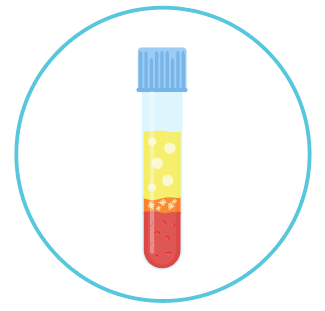
blood tube prf

Blood Draw

The first step in the PRF hair loss treatment process is a simple blood draw, similar to what you might experience during a routine medical check-up. A small amount of blood is collected from your arm using a sterile technique to ensure safety and comfort. This sample is all that is needed to begin the process of creating the autologous PRF solution.

prp collection
prp tube

Horizontal Centrifugation

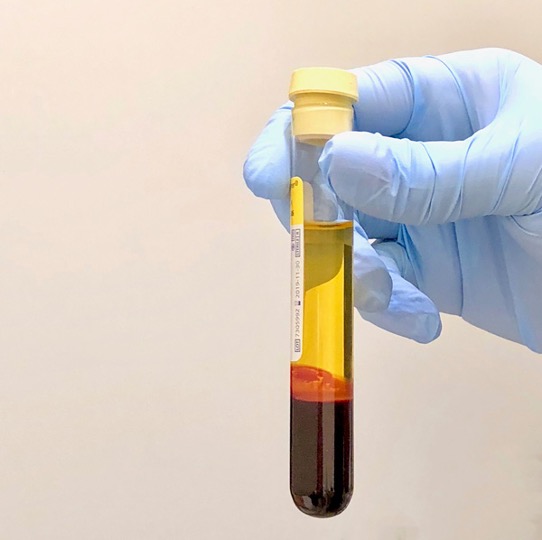
After collecting the blood, it is placed in a horizontal centrifuge, a device that spins the blood at high speeds. Unlike fixed-angle centrifuges, horizontal centrifuges spin the blood samples along their horizontal axis, leading to more effective separation of the blood components. This method enhances the quality of the PRF by better isolating the platelets, which can contain signalling molecules (growth factors and cytokines) relevant to wound-healing biology.

prp tube

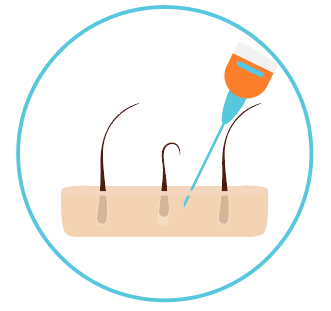
Administration of Liquid PRF

The liquid PRF, containing a concentration of growth factors and cytokines, is carefully injected into areas of the scalp where hair thinning or loss is evident. This targeted application helps support the scalp and follicle environment, improving the overall health and thickness of your hair. The procedure is minimally invasive, involves minimal discomfort, and requires no downtime, allowing most people return to their daily activities immediately.

prp inject
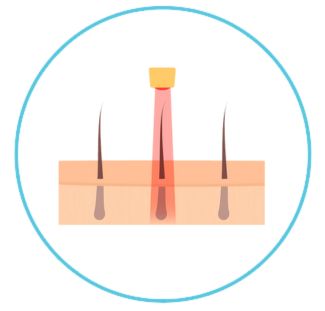
LLLT hair icon

Low-level Laser Light

The final step to the PRF treatment is low-level laser light therapy which promotes further healing and enhances the effects of the PRF treatment. Low-level laser light helps to increase blood flow and cellular activity at the site, supporting local circulation and scalp revitalisation as part of tissue healing.. The combination of PRF and laser light therapy synergistically boosts hair regrowth, thickness, and overall scalp health. This non-invasive therapy is painless, safe, and complements the natural regenerative properties of PRF, ensuring optimal results.

LLLT hair icon

Results

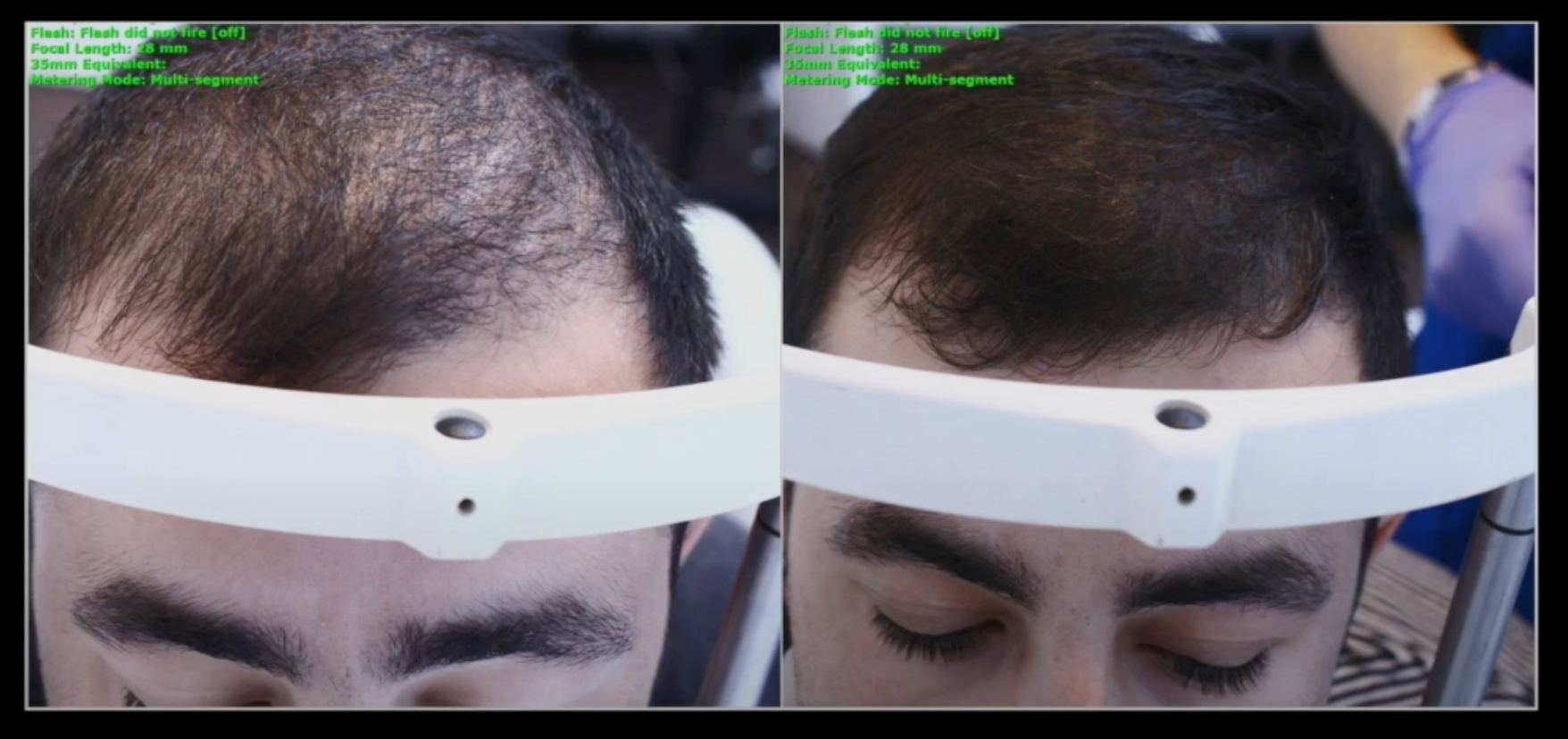
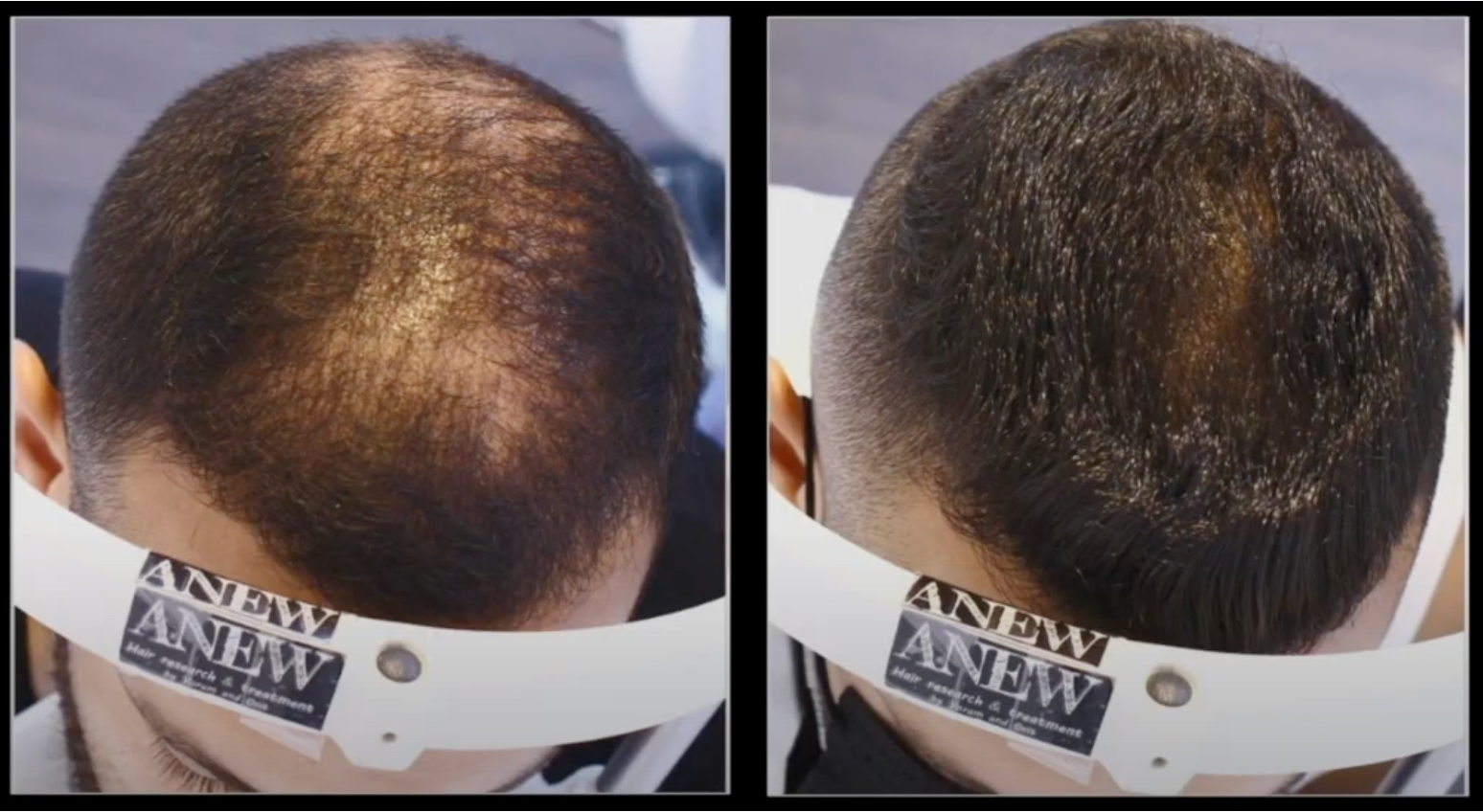
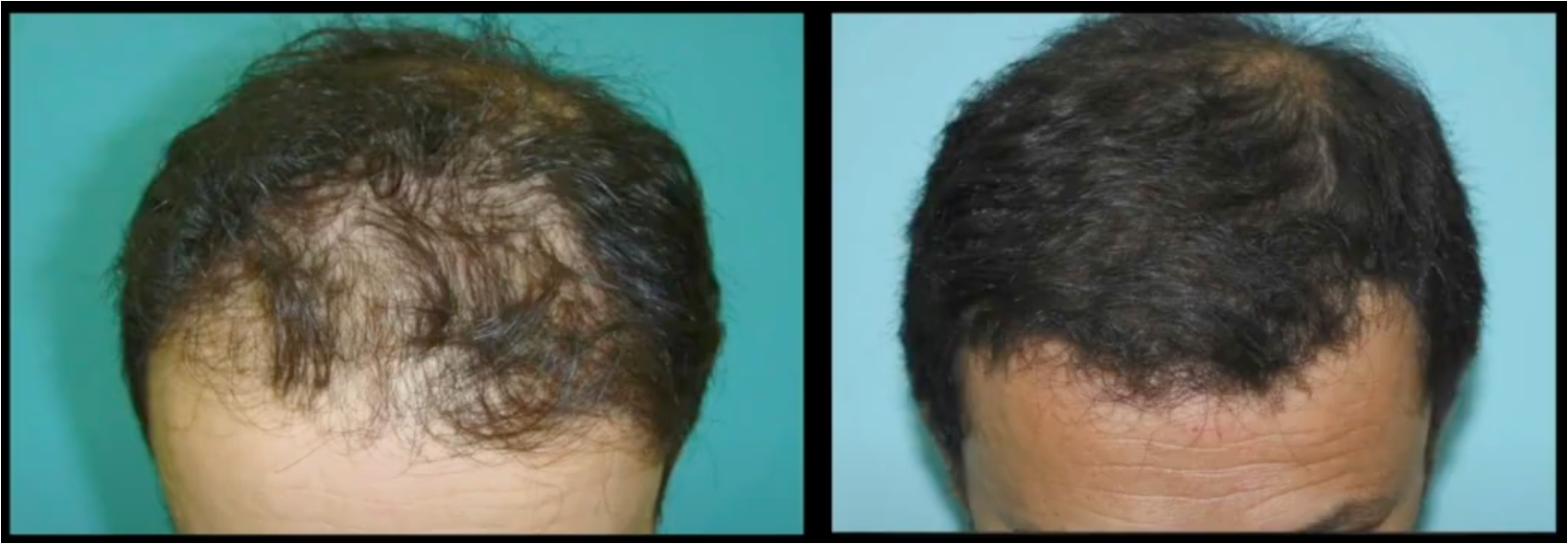
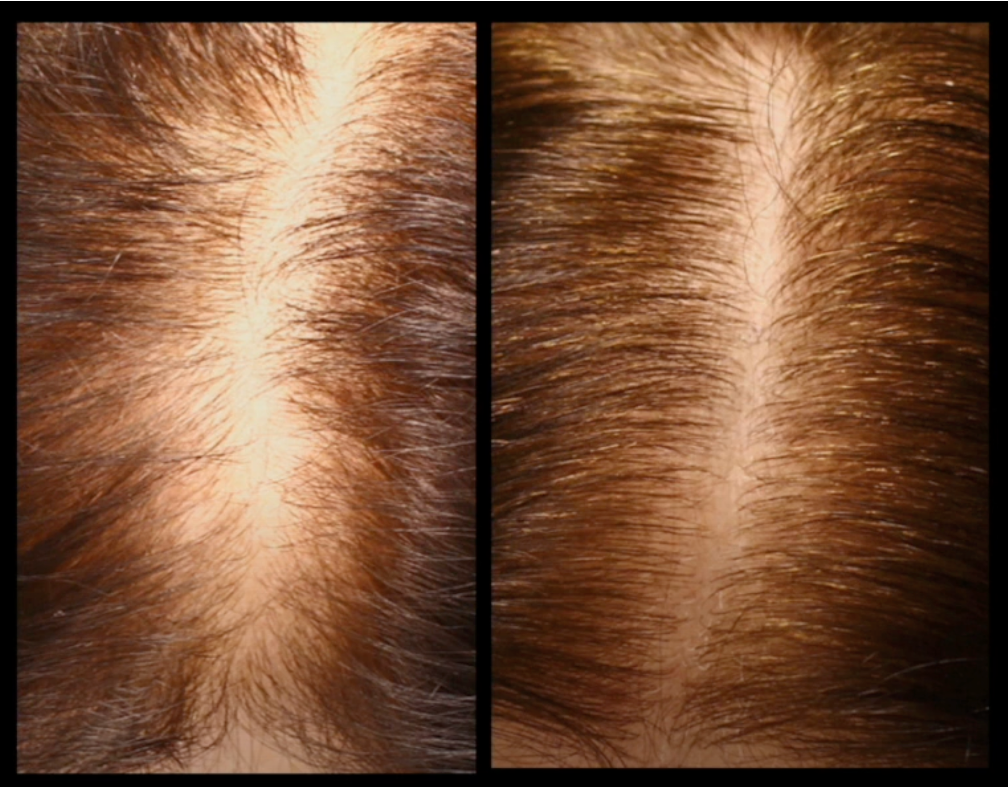
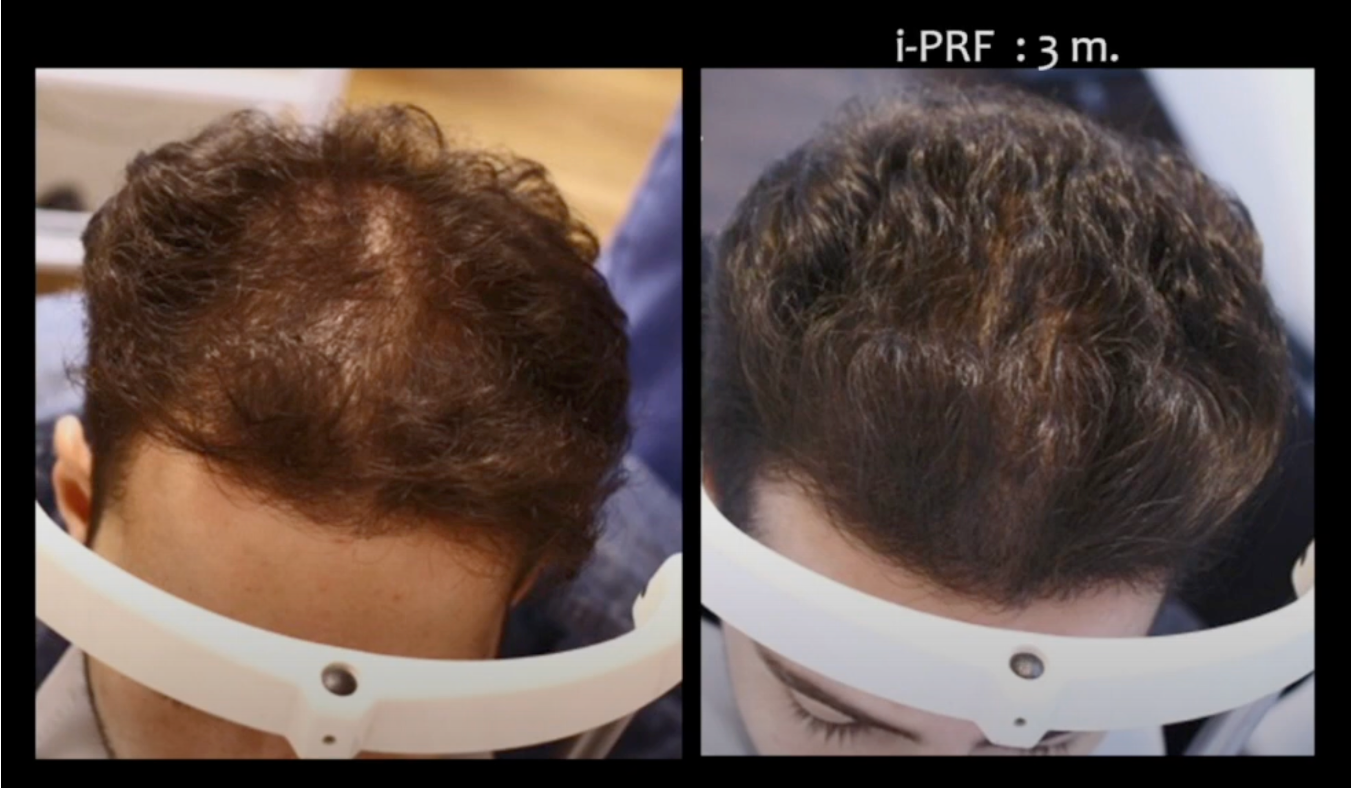
Some people notice gradual changes over several months as part of ongoing care; others may take longer or need plan adjustments. Individual results vary.

Patient images shown below are from the video ‘ENGLISH – PRF in Aesthetics, Plastic Surgery & Dermatology’ by Process for PRF, available at here. Accessed on [20th August 2024]. Images are illustrative; lighting/angles/timeframes vary and they are not intended to predict individual outcomes.
FAQs

In order to maximise the potency and effectiveness of our PRF treatment, we ensure to follow the recommended protocols taught by the pioneers of PRF treatment – Dr Joseph Choukroun and Dr Richard Miron. Furthermore, when you come in for your PRF appointment, our trained staff will take the opportunity to assess your overall hair and scalp condition and discuss the best plan of attack for your hair health concerns.

In published studies and clinical practice, some individuals have reported visible changes after a series of approximately 2–4 sessions; however, this is not guaranteed and timeframes vary. As with any other form of clinically supported hair loss treatment, results may vary between individuals.

Your practitioner will discuss a schedule that suits your diagnosis, scalp condition, and treatment goals, and may adjust the plan depending on how your hair volume, body, and scalp health appear over time.

We usually recommend one PRF session performed one month apart for the first three months, where appropriate. If you and your practitioner are satisfied with changes, ongoing sessions every 3–4 months may be considered for maintenance of hair and scalp rejuvenation as part of a long-term plan.

1 Session – $400

2 Session Pack – $700 ($350 per session)

Pricing is provided as a guide and may change over time. Any additional supportive treatments, such as topical serum, supplements or in-clinic therapies, will be discussed with you before proceeding.

Some patients may experience mild discomfort or a slight stinging sensation during the process. In most cases, it is well-tolerated without the use of a topical or local anaesthetic. Although your scalp may feel slightly sensitive after the treatment, it is usually safe to resume your day as normal.

Your practitioner will explain potential side effects, including temporary redness, tenderness, swelling or bruising at injection sites, so you can plan any adjustments to work, exercise, or hair conditioning routines during the early recovery phase.

  • Individuals who are pregnant and/or breastfeeding.
  • History of cancer or autoimmune disease.
  • History of severe allergic reactions.
  • Active infections or inflammation.
  • Bleeding disorders or anticoagulant therapy.
  • Individuals who are on immunosuppressive therapy.

Before consideringPRF therapy for hair loss, it’s crucial to consult with a qualified healthcare provider who can conduct a thorough medical evaluation, discuss potential risks and benefits, and determine if this treatment is appropriate based on individual health conditions and medical history.

​Although combination therapy is often regarded as the most effective approach for treating hair loss, our medical practitioner will need to assess your hair, scalp and medical history to determine the best course of action for you.

This may include non-prescription scalp products (such as gentle shampoos, leave-in conditioning treatments or supportive scalp serum), nutritional measures that address vitamins and minerals, low-level laser therapy, and other clinically-supported options where appropriate. Any prescription-only medicines will only be considered after an individual consultation with a registered health practitioner.

Since hair fibres are made primarily of keratin, and overall hair structure is influenced by local blood circulation, scalp environment, and the availability of key vitamins and minerals through diet and general health. Your consultation may also include a discussion of scalp hydration, gentle conditioning products, nutritional factors such as vitamins and minerals, and other modalities used in our broader hair and scalp programs.

Low-level laser light therapy promotes further healing and enhances the effects of the PRF treatment. It is a non-invasive option that is generally well tolerated and is often used alongside other modalities, such as topical scalp serum, gentle conditioning products and nutritional support, to promote a healthier-looking scalp and hair shine.

Rather than guaranteeing regrowth, the combination of PRF and laser light is used to support scalp health and may help some individuals maintain the appearance of thicker, fuller-looking hair over time. Individual responses vary.

This page is only intended to provide factual information to educate individuals who are interested in learning more about the treatment. Our clinic offers a health-practitioner-led consultation. Depending on the outcome of the consultation, this may or may not lead to the provision of a prescription.