Male Pattern Hair Loss

Although there are a number of hair loss and hair thinning conditions that can affect men, the most common is Male Pattern Baldness (MPB). Other names for this condition are androgenetic alopecia, male pattern hair loss and genetic hair loss. In this section we will concentrate primarily on this condition and explore the various hair loss treatments options for men. For other hair loss conditions, please refer to this page.
Male Pattern Baldness – What is it?

Male Pattern Baldness (MPB) is a genetic condition that can be passed down from either side of the family tree. The “hair loss gene” is a combination of genes, not just one. It can also skip a generation or two. So if your father has a head full hair, it is still possible that you may have inherited genetic hair loss. Male pattern hair loss is a condition caused by a by-product of testosterone named Dihydrotestosterone, or DHT. DHT attaches to hair follicles and causes them to shrink over time, which causes the hair to become thinner and thinner until some men become totally bald on the top of the head. Those who have inherited the gene responsible for pattern hair loss have an increased sensitivity to DHT, despite even normal levels or slightly elevated levels of DHT.

How can I identify Male Pattern Baldness?

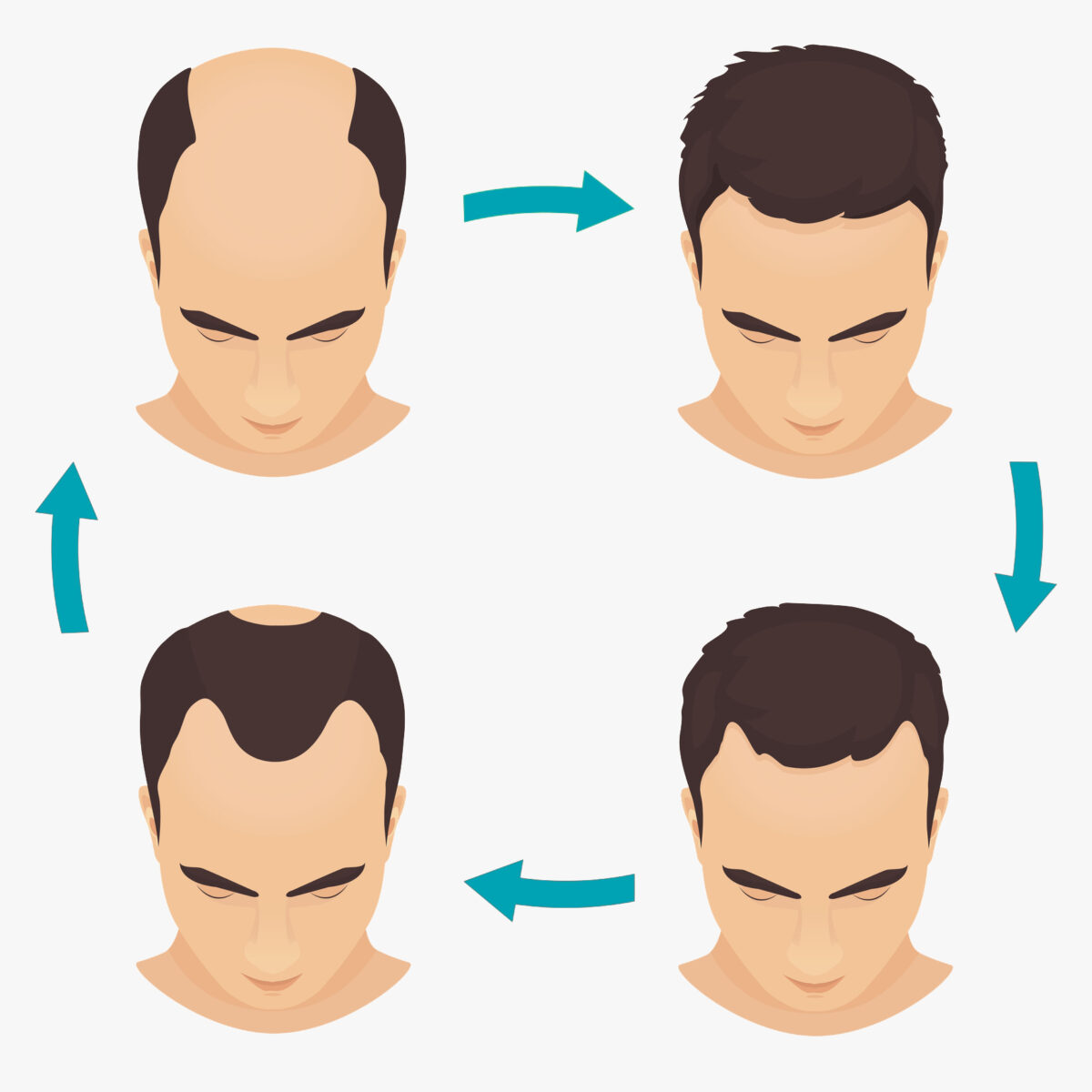
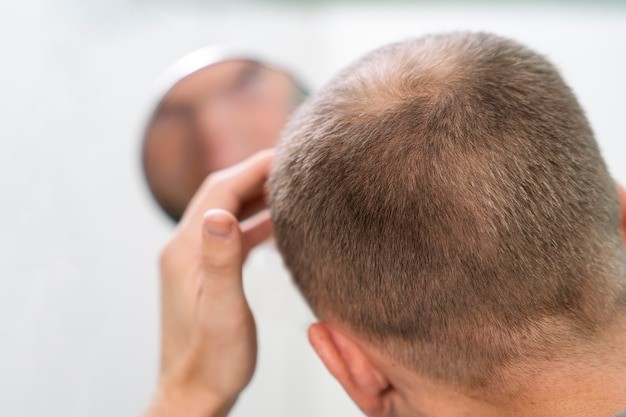
Male pattern hair loss begins with the thinning of hair of the crown or a receding hairline, where thick terminal hairs are replaced by thin vellus hairs. It is often easy to identify even for somebody with no clinical experience as it only affects hair on the top of the scalp and not the sides, causing a horseshoe-shaped pattern of hair loss. There are a number of different common patterns of hair loss – a receding hairline, a thinning crown, or general thinning spread over the top area of the head. MPB never affects the sides or back of the hair. Where MPB is aggressive, eventually all hairs on the top of the scalp are lost.

Male Public Figures and Hair Loss

Hair loss is widely discussed in the media, and many well-known men have openly addressed their experiences. Public figures such as Prince William, LeBron James, Matthew McConaughey, and Jason Statham have brought visibility to male pattern hair changes, showing that it is a common part of life for many.

Their openness has helped normalise conversations around hair thinning, reducing stigma and encouraging more men to seek professional guidance when needed.

Common Hair Loss Myths

“Hair loss only affects older men.”

Not true. Hair changes can begin in the late teens or twenties, though severity varies.

“Poor circulation from wearing hats causes baldness.”

False. Hair follicles are not affected by external headwear.

“Frequent shampooing makes you lose hair.”

Shampooing does not cause permanent hair loss. Hairs seen in the shower are typically those already in the shedding phase.

“Baldness comes from your mother’s side of the family.”

Genetics can come from both sides of the family. Inheritance is complex and influenced by multiple factors.

Female Hair Loss Products - Bioscor International

Evidence-backed Treatments

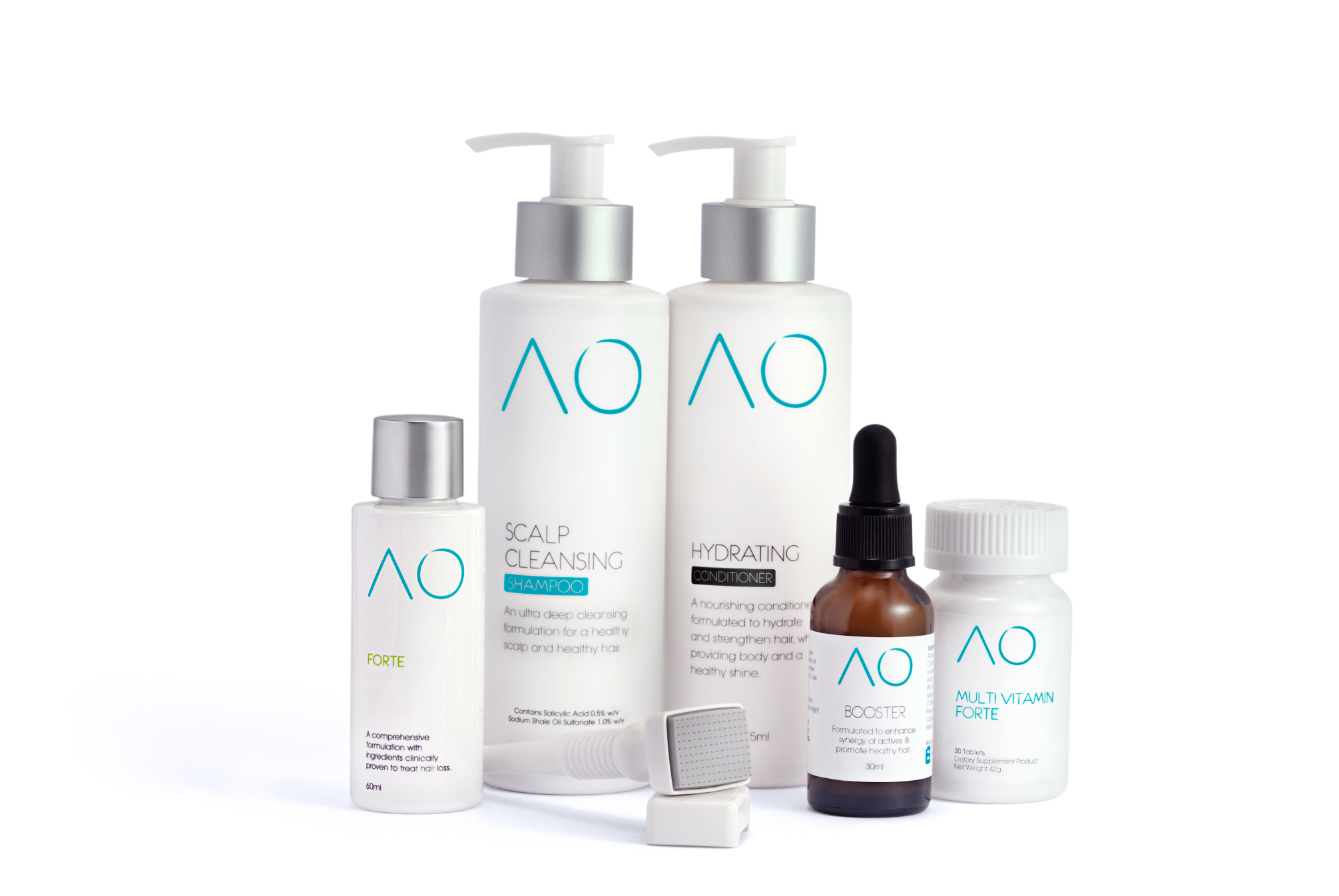
Our clinicians consider evidence-backed treatment options alongside your goals and preferences. Where appropriate, clinical treatments or medications may be prescribed by our doctors (after consultation). We may also recommend supportive products—such as shampoo, conditioner, serum or oils—formulated to cleanse, nourish and protect the hair and scalp. Over-the-counter care commonly includes nutrients (e.g. biotin) that support general hair and scalp health. A holistic way to look at treatment could include looking at nutrition, vitamins, topical oils, scalp massage, and lifestyle factors such as diet and stress management.

Note: Prescription items are not advertised to the public and are only available following a clinical assessment.
Female Hair Loss Products - Bioscor International
Hair Loss Treatment For Men - Bioscor International

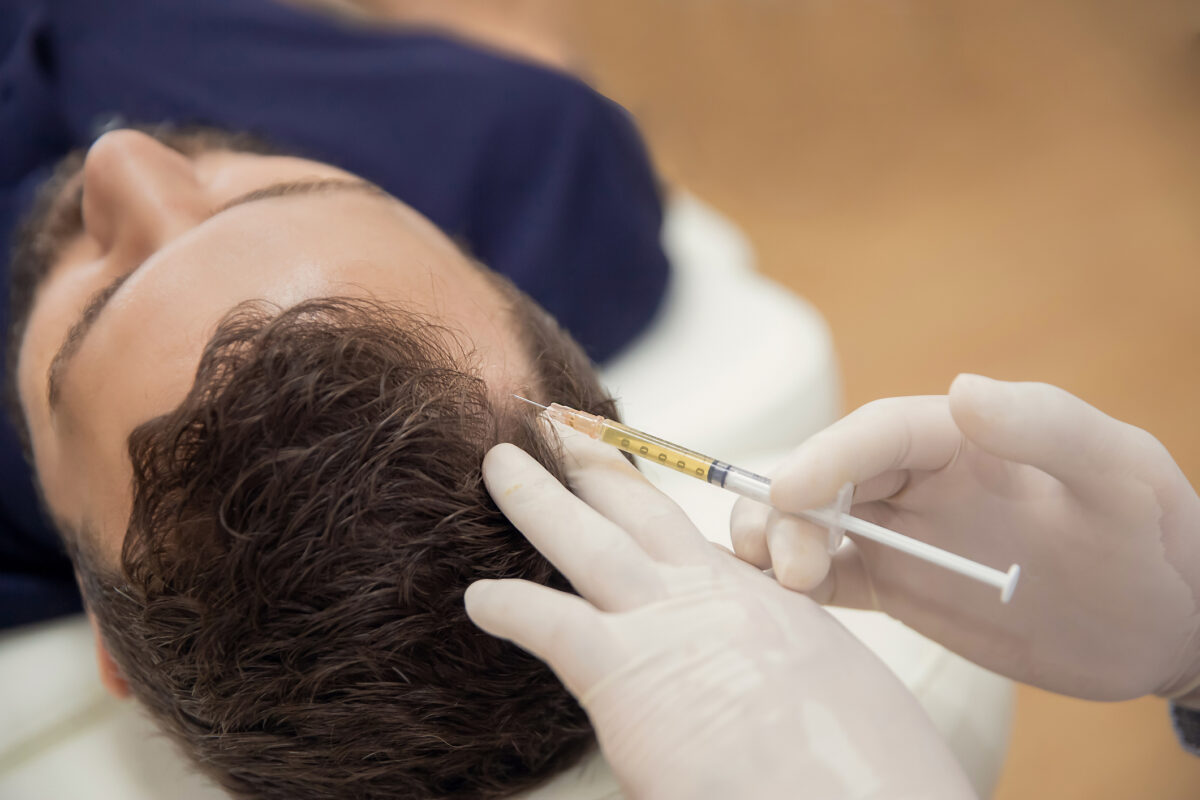
Platelet-Rich Fibrin

Platelet-Rich Fibrin (PRF) is prepared from your own blood and processed to concentrate the platelets within, which can release natural signalling proteins (growth factors and cytokines) when reintroduced into the scalp. The intention is to support the scalp and follicle environment and, for some people, the appearance of improved density or hair fibre thickness. For hair applications, the clinical evidence is emerging and responses vary. We’ll discuss potential benefits, uncertainties, risks and potential hair loss treatment side effects before deciding if PRF is appropriate for you. Click here to learn more.

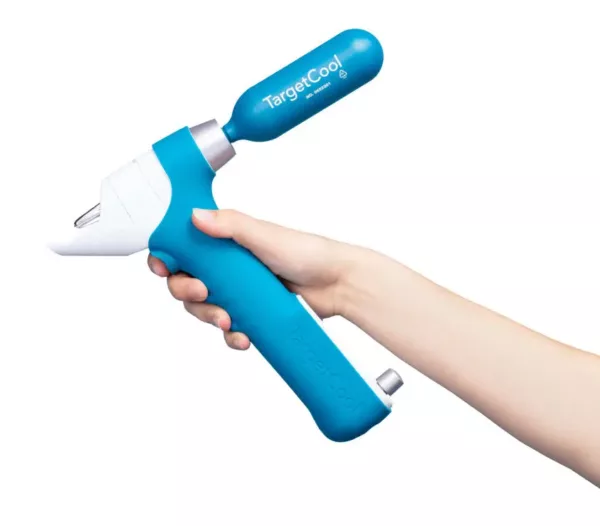
TargetCool

Exosomes Hair Treatment

Exosomes are small extracellular vesicles secreted by various cell types that help cells communicate. They carry proteins, lipids and genetic material that can influence recipient cells. In aesthetic medicine, exosomes are being studied for potential supportive therapy roles in skin and hair biology. Clinical evidence is still developing and outcomes vary. Any discussion is informational only and occurs under medical supervision, with potential benefits, uncertainties and risks explained. Click here for more information.

TargetCool

What Next?

Frequently Asked Questions

Yes. Most people shed between 50–100 hairs per day as part of the natural growth cycle. However, those with a hair loss condition often shed significantly more than this.

Stress, illness, or major life changes can sometimes disrupt the hair growth cycle, leading to temporary shedding (aka Telogen Effluvium). A practitioner can help assess whether changes are short-term or related to other factors.

If you notice sudden shedding, patchy loss, or gradual thinning that impacts your confidence or wellbeing, a consultation with a qualified practitioner can help you understand your options for hair loss treatments.

Frequency depends on the type of care recommended. Some people may attend regularly for scalp therapies, while others may be located in a different city and will have their treatments sent out to them by courier post. Your practitioner will outline a plan that suits your needs and goals.

Costs vary depending on the type of program, products, and services recommended for your situation. During your consultation, you’ll receive clear information about any fees before deciding how to proceed.

Bioscor offers a practitioner-led program focused on scalp and hair health. After a thorough consultation and assessment, your practitioner may recommend non-prescription topical products, nutritional guidance, regenerative therapies, and, where appropriate, medical review for prescription options. The approach is tailored to the individual and monitored over time.

You don’t need to lose your hair.

Regrow your confidence!